
Product
Quest Web App
Company
United Skills Agency
Vertical
EdTech
Stage
Private Beta / MVP
Type
Experience Architecture
Objective
Industrial Digitalization
Practice
Research / Strategy / UX
Delivery
UX / Growth CX / Interaction
Role
UX Researcher and Designer
Timeline
~ 6 M
Location
Baku, Azerbaijan / On-site
Relation
Full-time
The Link that Connects Education Pillars to Academic Success
Secondary education systems consistently prioritize initial classroom content delivery, yet the secondary phase of practice and knowledge evaluation remains severely underdeveloped. When evaluation mechanisms rely on outdated paper formats or rigid digital replicas, students receive terminal grades rather than meaningful diagnostic feedback. Without actionable insights after testing, school-age learners struggle to identify specific comprehension gaps.
Modernizing this evaluation step requires building an online examination service tailored specifically for primary and secondary school students. By transforming routine assessments into dynamic practice tools, the platform aligns daily classroom learning with high-stakes preparation for university admission entrance exams. Through dedicated portals for students and educators, the service creates a continuous, growth-oriented academic environment.
Uncovering Inflexible Testing Models and Systemic Bottlenecks
Conventional secondary education assessment models enforce rigid, non-systemic testing methods that ignore individual learning speeds and school curriculum variations. These outdated structures create severe accessibility barriers, restrict real-time progress tracking, and isolate exam results from post-test revision, preventing students from using test data to systematically improve their academic performance ahead of entrance evaluations.
Inflexible Assessment Structures
Standardized exam formats fail to accommodate varying student competencies, forcing every learner through identical test tracks regardless of specific subject mastery needs.
Opaque Diagnostic Metrics
Surface-level scoring hides underlying concept deficits, leaving students without clear visual direction on which specific subjects require immediate study focus.
Disconnected Stakeholders
Disjointed communication tools between students and teachers prevent timely feedback loops, limiting opportunities for collaborative academic support and targeted intervention.
Establishing an Interconnected Ecosystem for Active Evaluation
Transitioning from subjective assumptions to a fact-based architecture required establishing clear strategic principles to keep multi-disciplinary teams aligned throughout long-term iteration cycles. We structured our solution around an interconnected ecosystem of student and educator portals, modernized examination tools, and structured progress displays designed to make learning evaluation genuinely actionable for secondary school success.
To guarantee the service remained grounded in verified student needs, we established a multi-tiered workflow linking interactive test participation, automated score calculation, and administrative class tracking into a single continuous academic experience for everyday school users.

Mapping Student Diagnostic Friction and Educator Workflows
Uncovering the core problem space required analyzing how secondary students and educators interact with existing assessment tools during school test preparation and post-exam review. Our investigation focused on identifying operational bottlenecks that limit practice frequency and reduce overall evaluation transparency for learners preparing for standardized university entrance exams.
Eliminating Cognitive Fatigue During Practice
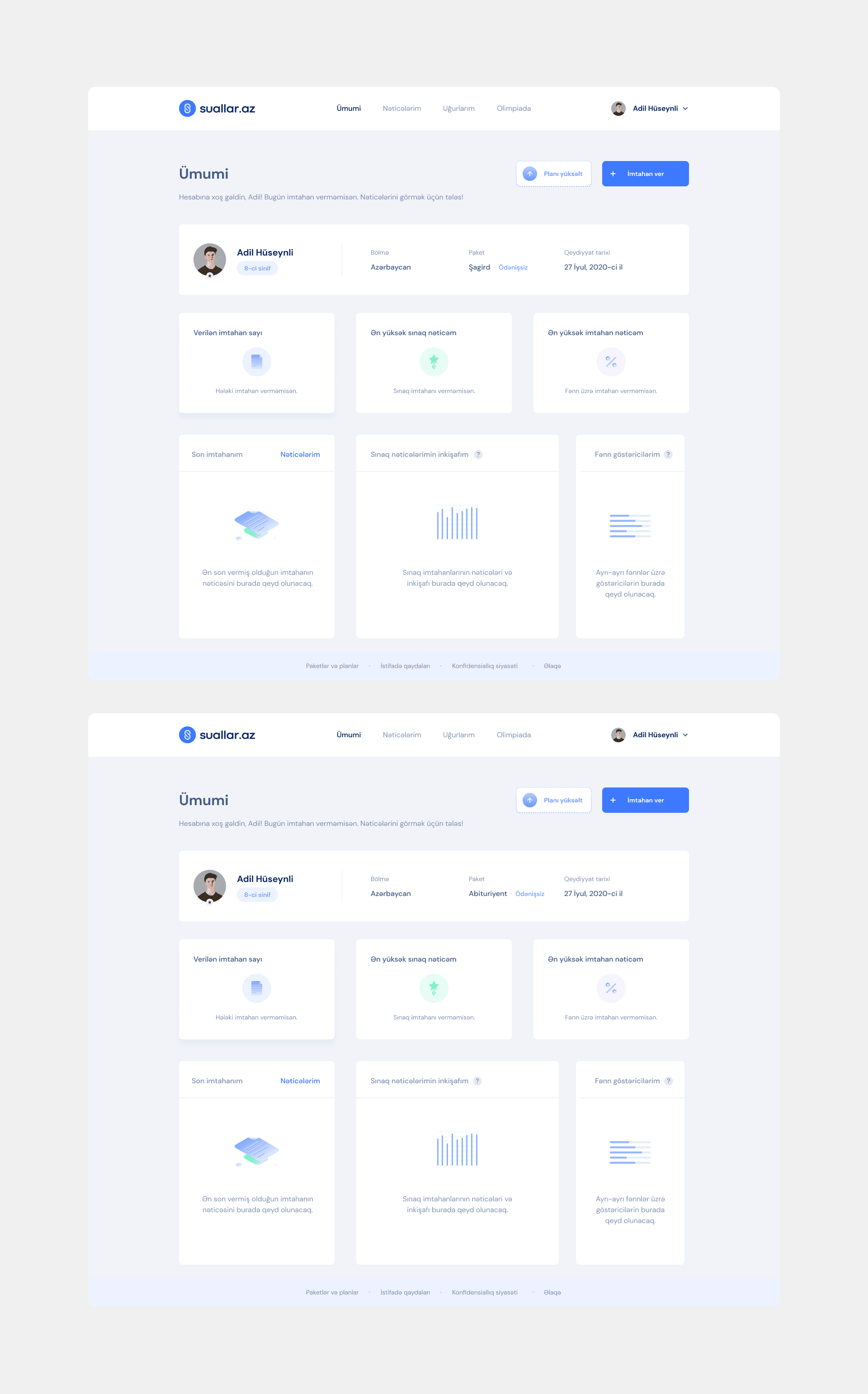
Learners experience high fatigue and decreased engagement when navigating cluttered test interfaces that lack clear visual progress controls. They require an uninterrupted workspace that balances timed exam conditions with fluid navigation tools, allowing them to review flagged items, manage options easily, and complete multi-subject tests without distraction.
Streamlining Administrative Oversight and Guidance
Instructors waste substantial energy on manual exam grading and disconnected student tracking, restricting their capacity to provide individual academic guidance. By studying educator workflows, we identified the need for dedicated portal tools that streamline class distribution, visualize performance trends, and build natural advocate referral channels.

Architecting Structured Scoring and Interactive Touch Targets
To guarantee accurate diagnostics across diverse school curricula, we established clear evaluation rules that calculate subject mastery by combining accuracy, question importance levels, and completion timing.
Accuracy Factor: Measures whether the student answered each individual question correctly within the designated test session.
Question Importance: Applies specific weight values to questions based on their core curriculum difficulty and topic priority.
Completion Timing: Introduces a normalized speed modifier that accounts for how efficiently the student navigated the examination tasks.

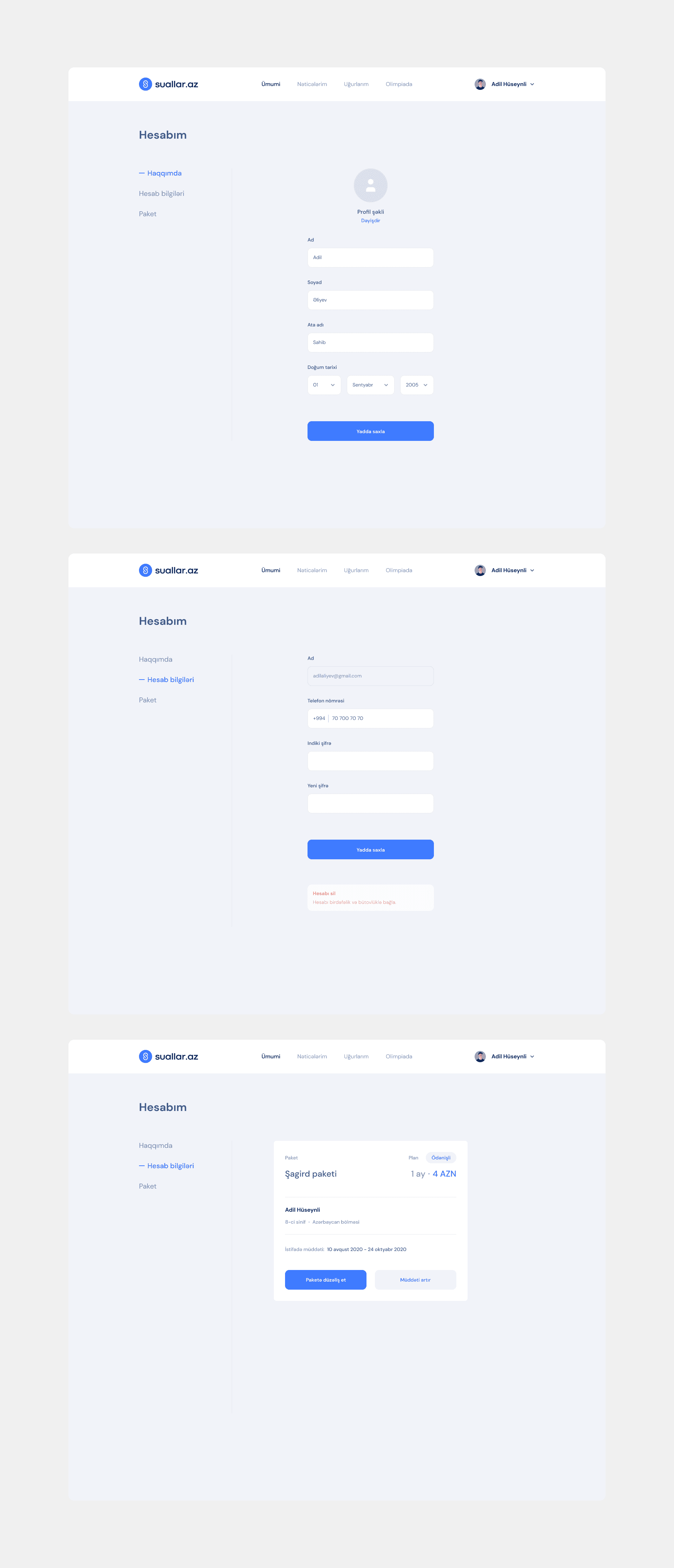
Frictionless User Entry and Custom Onboarding
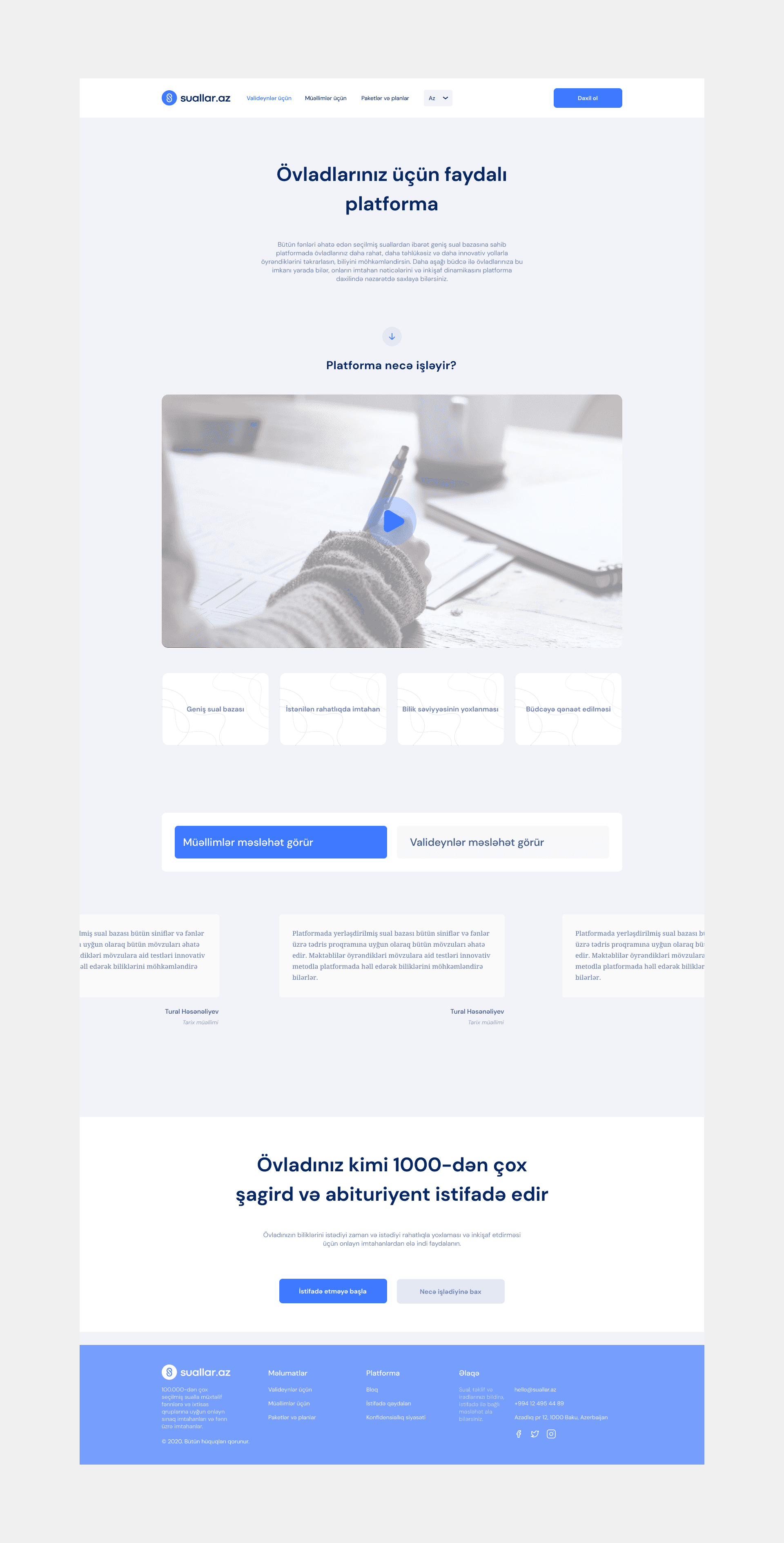
Initial user touchpoints were engineered to convert web visitors into active platform users through personalized onboarding sequences. By capturing primary grade levels and target subjects during setup, the workspace immediately displays relevant practice exams and diagnostic tracks tailored to the student's immediate goals.

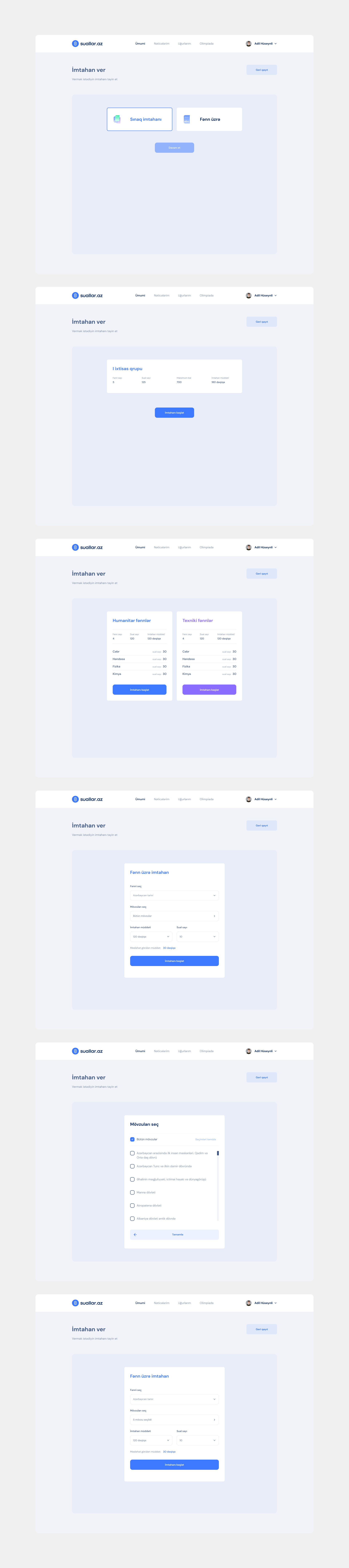
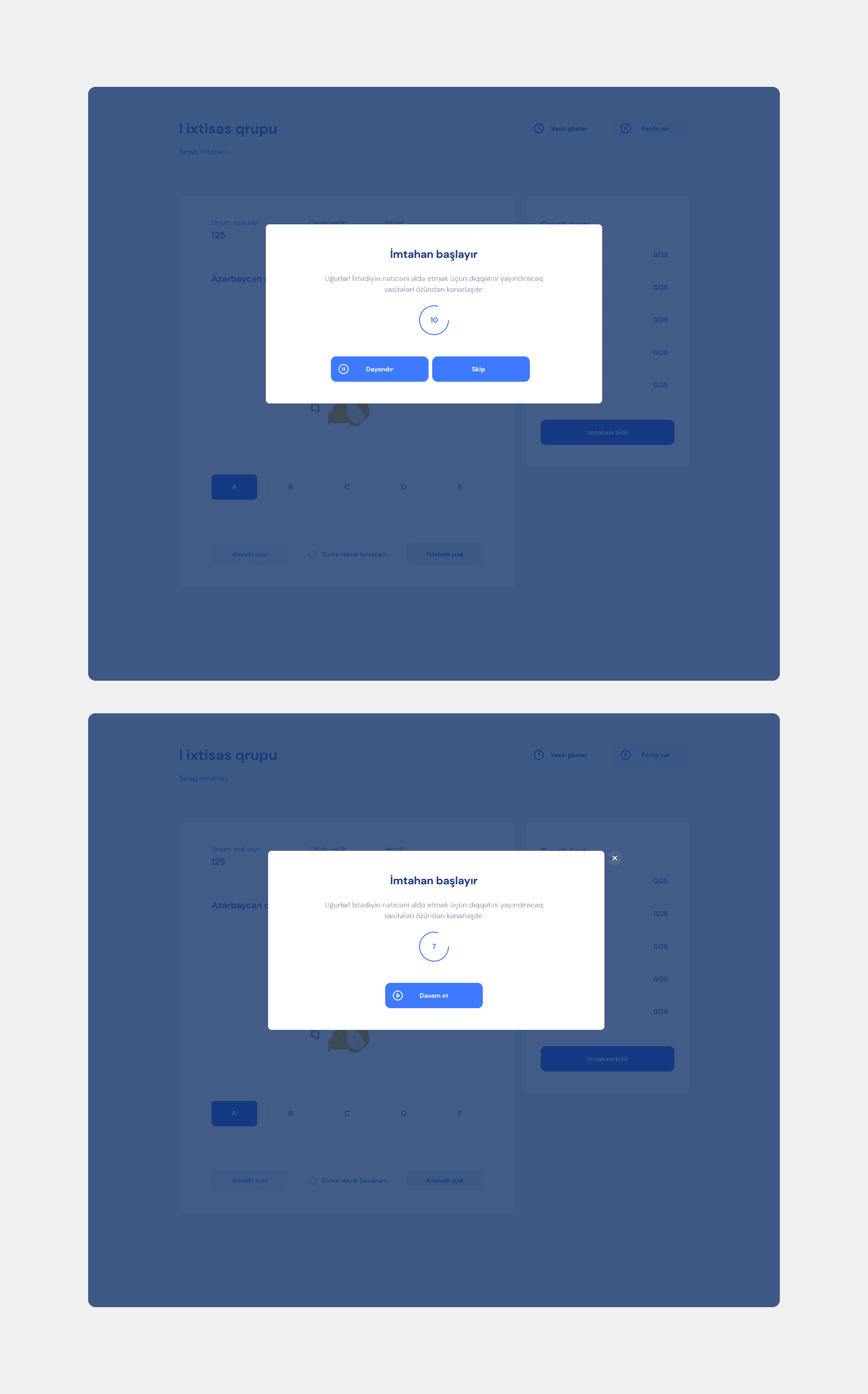
High-Focus Examination Core Interface
The primary examination interface eliminates visual distractions to maximize focus while keeping key utility controls within immediate reach. Students can seamlessly navigate question matrices, monitor remaining test duration, and bookmark uncertain answers through responsive touch target layouts optimized for mobile and desktop screens.
Visualizing Diagnostic Performance Analytics
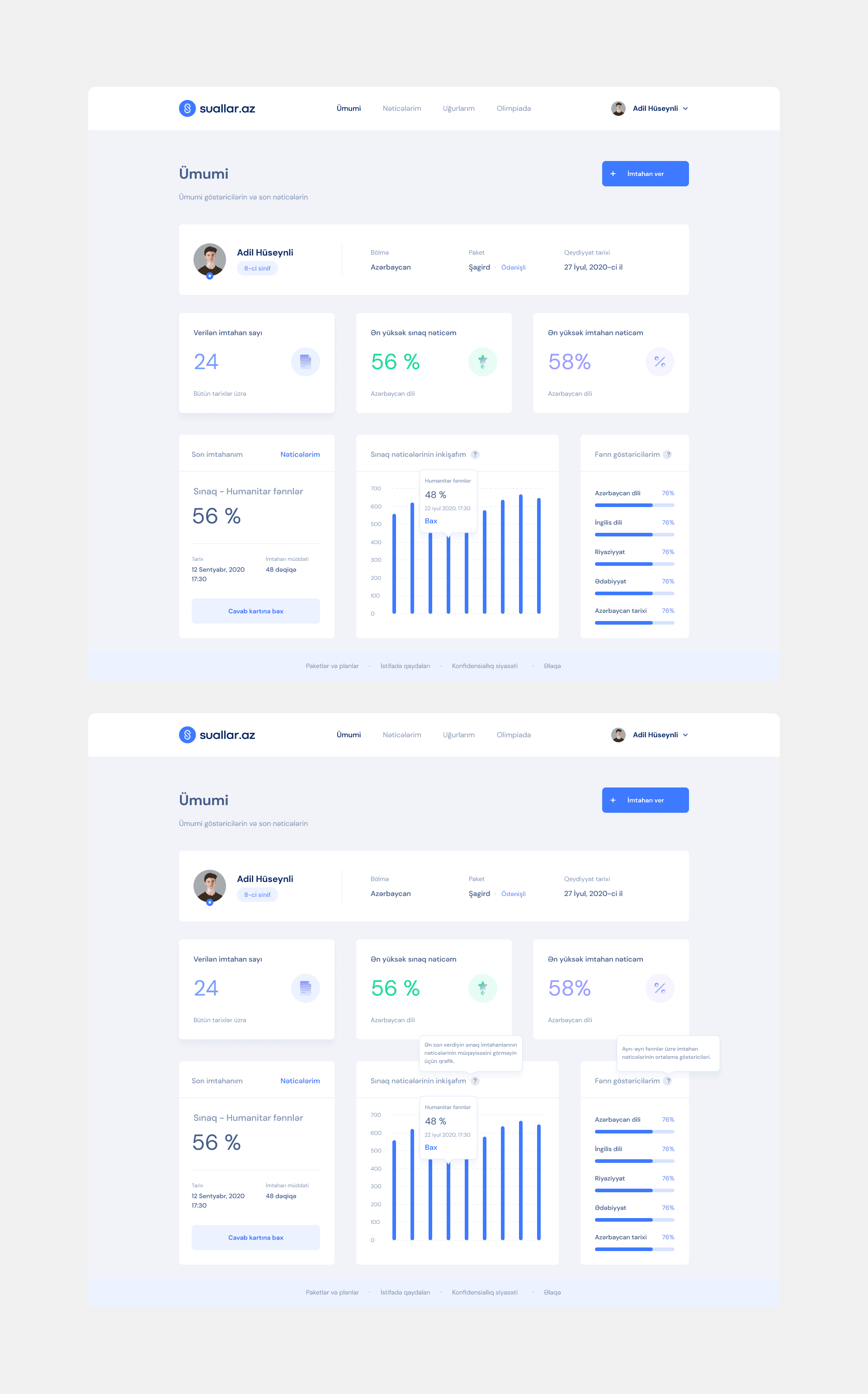
Post-exam dashboards transform simple numerical grades into detailed visual breakdowns using intuitive graphs and subject breakdown charts. This immediate diagnostic output helps students pinpoint exact conceptual weaknesses, track progress trends across multiple attempts, and launch focused revision practice with a single action.

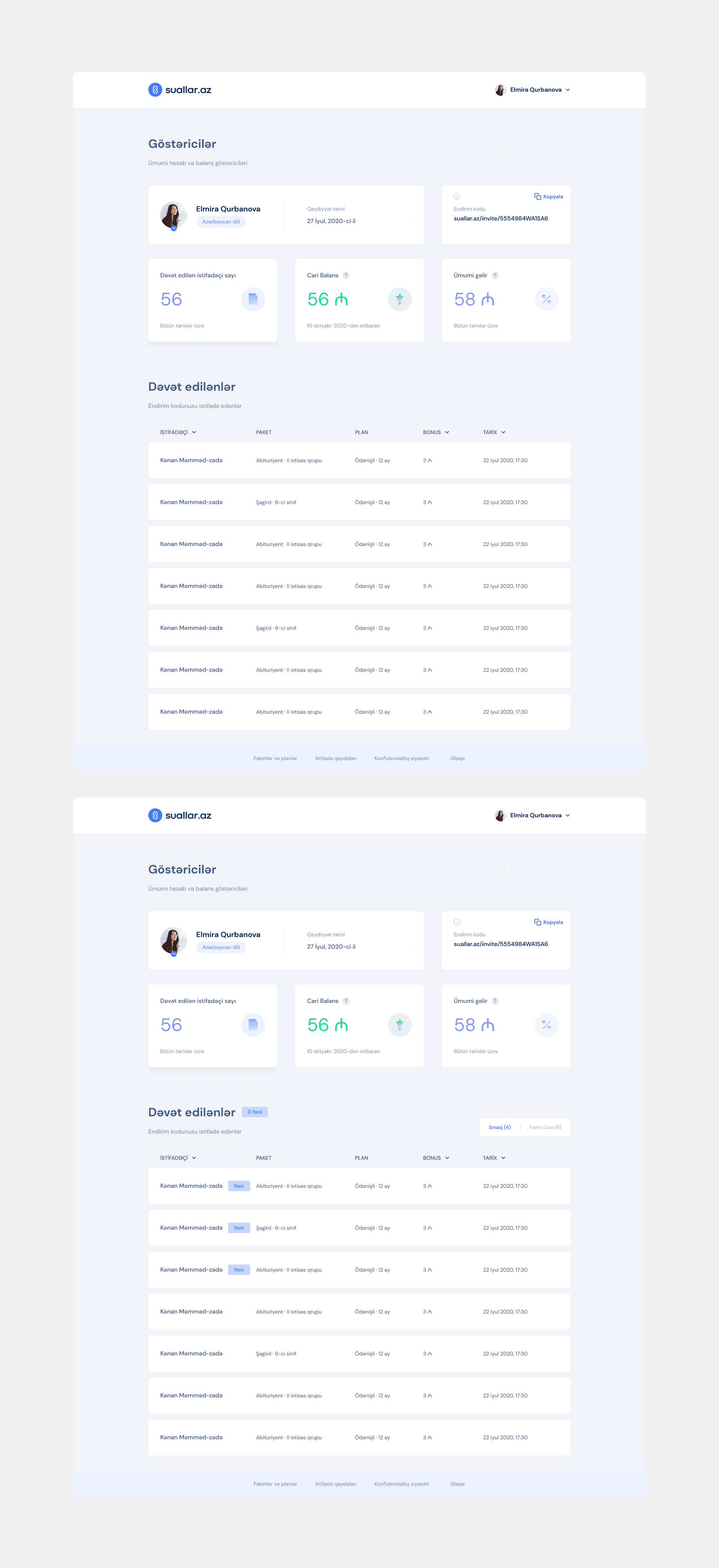
Empowering Educators Through Referral Loops
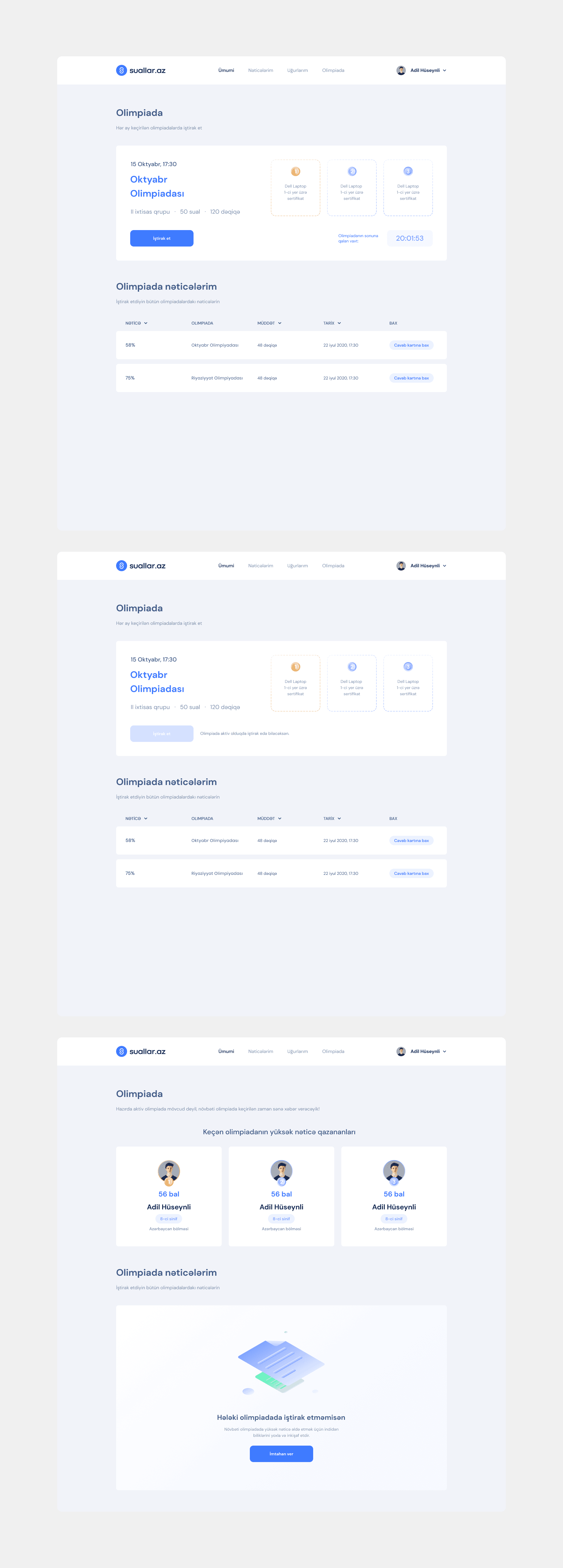
To drive organic platform growth, the teacher workspace integrates built-in student management tools and referral features. Instructors can easily organize student groups, assign custom test modules, and monitor collective progress, establishing an authentic, collaborative relationship inside the digital learning environment.

Verifying User Flow Stability and Classroom Usability
Evaluating platform reliability under peak classroom schedules required establishing clear operational standards across primary user tasks to ensure smooth daily usage during high-stakes university admission mock testing periods.
Evaluation Area | Target Operational Metric | Defined Standard | Status Verification |
Exam Session Start | Initial Access Time | Instantaneous | Verified |
Response Saving | Answer Submission Flow | Continuous Sync | Verified |
Analytics Display | Chart Rendering Speed | Immediate View | Verified |
Group Tracking | Class Data Retrieval | Fast Summary | Verified |
Transforming Passive Testing Into Strategic Learning Outcomes
By grounding development in extensive user research, the project successfully transformed scattered educational concepts into a cohesive digital evaluation service for school-age students. The platform bridges the divide between passive studying and active practice, delivering personalized test tracks that measurably increase learning efficiency across secondary school communities preparing for higher education.
Integrating educators directly into the digital evaluation loop created self-sustaining advocate networks and enhanced student guidance systems. Turning routine exams into interactive diagnostic feedback empowers learners to take proactive ownership of their academic progress while providing regional schools with modern, scalable assessment tools.
Scaling Assessment Architectures for Long-Term Impact
Developing a comprehensive educational service alongside diverse multidisciplinary teams demonstrated the necessity of grounding initial concepts in empirical user data rather than subjective opinions. Establishing explicit project goals early prevented feature creep and kept complex sub-systems aligned with essential user requirements across all development stages.
Future development will expand adaptive testing mechanics, using aggregated performance data to adjust question sets effectively over time. Continuously refining this diagnostic loop ensures the service will remain a long-term, high-impact asset that steadily improves regional secondary school outcomes and university admission readiness.
Author
Kanan
Published
Last update
Version
2.2
Project ID
003
Status
Live
Language
English
Copyright
©2022-2026
